A hearing supplement and a hearing aid solve fundamentally different problems. One is a dietary product; the other is a medical device designed to improve access to sound.
| Hearing supplement | OTC hearing aid | |
|---|---|---|
| Type | Dietary supplement | Medical device |
| Main function | General nutritional / wellness support | Amplifies and processes sound |
| FDA premarket framework | Not approved for effectiveness before sale like a drug | Regulated hearing-aid category with device requirements |
| Typical user goal | Wellness routine | Hear conversation and environmental sound more clearly |
| Appropriate for sudden hearing loss? | No | No—seek urgent medical evaluation first |
FDA states that OTC hearing aids are intended for adults 18+ with perceived mild-to-moderate hearing loss. [1]
Choose the problem before the product
If you are missing speech, turning the TV up or struggling in groups, a hearing evaluation or appropriate hearing-aid pathway directly addresses audibility. If your intent is simply to use a dietary supplement as part of general wellness, then a supplement comparison is the relevant category.
Can someone use both?
Possibly, but the supplement should still be reviewed for medication interactions and should not be expected to replace a hearing aid. If a clinician is managing your hearing loss, tell them about supplements you take.
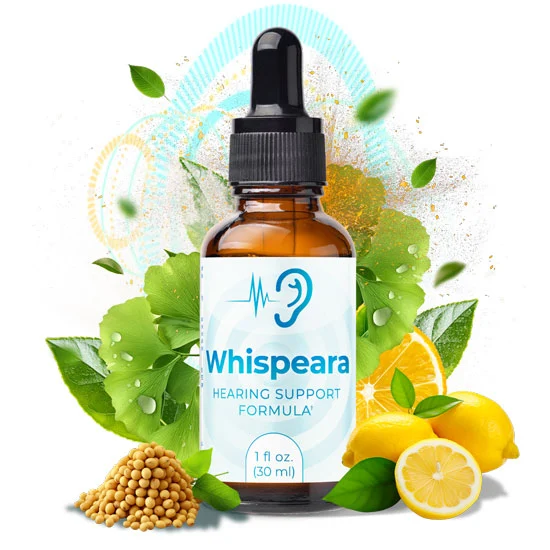
Looking for the supplement rather than a device?
Whispeara is a liquid dietary supplement. Check the current offer only if that is the category you intended.
Affiliate disclosure: we may earn a commission if you buy through this link. Pricing and promotions can change.