Hearing supplements are typically marketed with ingredients associated with antioxidants, circulation, nerve support or relaxation. The key is separating general ingredient rationale from proof that a finished product improves hearing.
What counts as a hearing supplement?
These products are dietary supplements sold with hearing- or ear-wellness positioning. They may contain botanicals, vitamins, minerals, amino acids or other dietary ingredients. Unlike hearing aids, they do not amplify sound and are not regulated as hearing devices.
How to evaluate one
- Read the current label. Ignore old advertorial ingredient lists if they conflict with the bottle.
- Look for exact quantities where available. A named ingredient without dose information is difficult to compare with research.
- Separate ingredient evidence from product evidence. A study on one nutrient is not a clinical trial of the finished formula.
- Check medication interactions. NCCIH notes that supplement–drug interactions can occur and evidence is incomplete for many herbs. [1]
- Reject cure language. Supplements should not be marketed as FDA-approved treatments for hearing loss or tinnitus.
What FDA regulation means here
Dietary supplements do not require FDA approval for safety and effectiveness before marketing in the way drugs do. Manufacturers are responsible for product safety and truthful labeling, while FDA oversight differs from the drug-approval process. [2]
When a hearing aid belongs in the decision
For adults with perceived mild-to-moderate hearing loss who want amplification, FDA-regulated OTC hearing aids are a separate device category. [3]
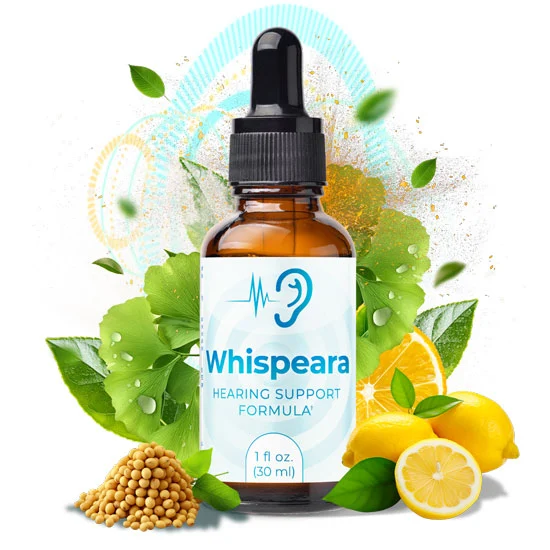
Comparing hearing supplements?
Whispeara is one liquid option. Review its current ingredients, safety notes and checkout terms before buying.
Affiliate disclosure: we may earn a commission if you buy through this link. Pricing and promotions can change.