Whispeara's marketing connects hearing wellness with antioxidant support, circulation, relaxation and vitality. Those are product-positioning themes, not proof that the finished supplement restores damaged hearing.
The marketed mechanism in plain English
- Antioxidant support: grape seed and green tea are positioned as sources of plant compounds associated with antioxidant activity.
- Circulation-oriented support: the merchant links some formula ingredients with healthy blood flow.
- Relaxation: GABA is included in a mental-calm theme.
- Energy and general wellness: maca and other botanicals are positioned around vitality and broader well-being.
These are the merchant's wellness pathways for the product. [1] They should not be converted into claims that Whispeara regenerates inner-ear structures, reverses hearing loss or cures tinnitus.
Why hearing biology is more complicated
Noise-induced hearing loss can involve permanent damage to sensory hair cells, and NIDCD notes that human hair cells do not grow back. [2] Tinnitus also has multiple possible causes and mechanisms; NIDCD says there is currently no cure, though several therapies may reduce symptoms. [3]
What a supplement can realistically be
A dietary supplement can be part of a general wellness routine if it is appropriate for the individual. It should not replace a hearing test, treatment of ear disease, medically indicated hearing technology or professional evaluation of red-flag symptoms.
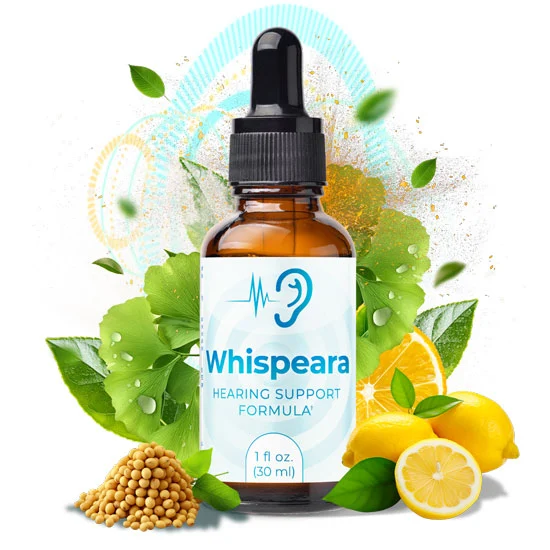
Evaluate Whispeara as a supplement—not a hearing device
Check the current product offer only after you understand what category of product you are buying.
Affiliate disclosure: we may earn a commission if you buy through this link. Pricing and promotions can change.