Botanical supplements are easy to buy, but “natural” does not automatically mean risk-free. Whispeara contains multiple plant-derived ingredients, so medication and health-history review matters.
Who should speak with a clinician or pharmacist first?
- People taking prescription or over-the-counter medicines
- People with diabetes, blood-pressure conditions or other chronic disease
- People taking anticoagulants or medicines with narrow therapeutic ranges
- Anyone who is pregnant or nursing
- People preparing for surgery
- Anyone with a history of significant supplement reactions
NCCIH advises that supplements can interact with medicines and that research on many herb–drug interactions is limited. [2]
Green tea and medicine interactions
NCCIH specifically notes that concentrated green tea supplements can alter levels of some medicines. Because Whispeara lists green tea among its featured ingredients, this is one reason to show the exact label to a pharmacist if you take medication. [3]
Signs that need hearing care, not supplement shopping
- Sudden or rapidly worsening hearing loss
- Hearing loss or tinnitus mainly in one ear
- Ear pain, fluid, pus or blood from the ear
- Vertigo with hearing loss
- Markedly asymmetric hearing
- Difficulty hearing speech even in quiet settings
These red flags are consistent with FDA/NIDCD guidance on when to seek professional hearing care. [4]
Is Whispeara FDA approved?
No dietary supplement should be described as FDA-approved for treating hearing loss. FDA does not pre-approve dietary supplements for safety and effectiveness in the same way it approves drugs. [5]
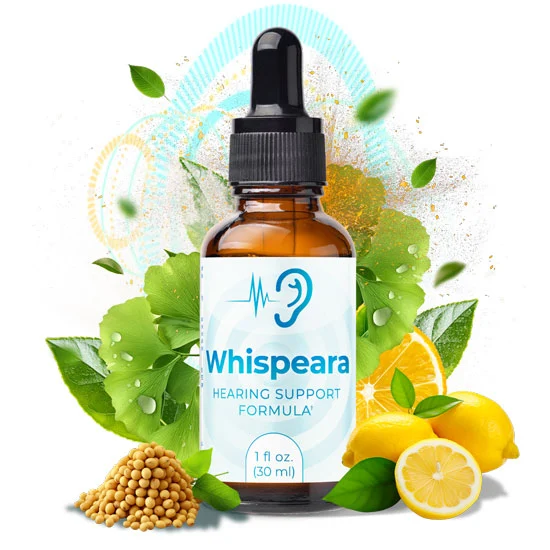
If Whispeara still fits your plan
Use the current merchant page to confirm the label, directions and return terms, and discuss the formula with a clinician when appropriate.
Affiliate disclosure: we may earn a commission if you buy through this link. Pricing and promotions can change.